Impact on society (impact on daily life, personal and family time)
In the past 30 years, the social habits have completely changed, because of development of HCI (Human Computer Interaction).
In the past, children played together and they spent more time in fresh air and doing physical activities.

As the HCI started to develop and new technologies have been release, they started to spend more time separately. For example, nowadays, a lot of children play games on their consoles and they live a passive life. They do not spend that much time with their families.

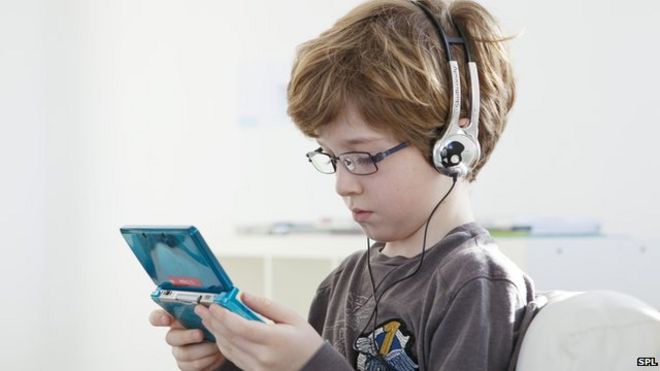
In the past, families had only one TV and the whole family watched the same program together. Now, it is normal for a family to own more TV’s and the family members watch different programs on their own devices. It resulted that the family members haven’t got that strong connection between them like they used to have.

An advantage of the impact of HCI is the technology made useful things available for people what they didn’t have earlier. Mobile phones made the communication easier. Using mobile phones made phone calls available from anywhere to anywhere.
Kitchen appliances and other electric devices made everyday life easier. They are easy to use and save time, for example microwave, rice cooker, dishwasher, food processor, blender, washing machine, etc. Before these appliances, a housewife was cooking and washing all day long for her family.
Nowadays it’s normal to do weekly shopping and load up the freezer and fridge with food. 30 years ago, people didn’t have a freezer or big fridge where they could store their food, so they had to go to shop every day.
Impact on economy
The main impact of HCI on economy is the increased productivity by computers. Using computers, people became able to complete their task quicker and easier. Using remote access (Internet), we are able to work from home, we are available anywhere, anytime.
Nowadays it is becoming popular to buy and sell online. There are a lot of possibilities, for example web shops, online auctions, online stores.

In the past, electrical devices were quite expensive so not every people could afford to own a mobile phone for example. In 80's, people had mobile phones only in business sphere. Nowadays, even young children owe mobile phones. With technical development, devices became smaller and cheaper so more and more people could afford to have a cell phone or a laptop. It effected a massive production increase to develop economy.
Short history of the first commercially available mobile phone:
"Motorola DynaTAC
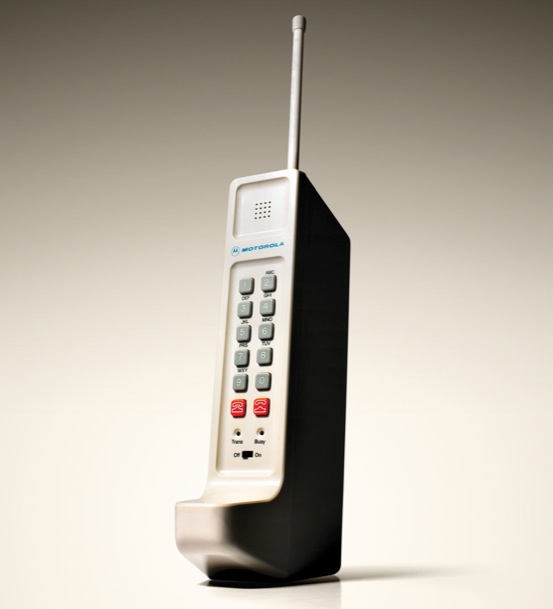
Released in 1984, the Motorola DynaTAC 8000X was the first commercially available mobile phone. In 1973, Martin Cooper made the first cell phone call ever with a predecessor of this beast. At 1.75 pounds, this phone had 30 minutes of talk time and cost a not-so-modest $3,995."
In the past, Britain has more production but nowadays it became the country of services. Britain imports most of the products and the country concentrate to provide services like healthcare, military services rather than production. This is a main impact of HCI on economical history of Britain.
Increased automation technologies massively increased production in factories. It means companies don’t need that much of manpower anymore. HCI made production faster and more effective with automation. Robots and automation technologies replace human labour in certain areas. Lots of people lost their jobs because of automation, but at the same time a lot of people got retrained to maintain these automatized machines. Of course, not as many people gained jobs with this step as many lost their job, because they became replaced with machines.

Impact on culture
Digital media have replaced analogical media. In the past, people sent letters in paper format and they kept paper diaries and journals. Nowadays we just send an e-mail instead of writing and sending a paper letter, because e-mail is cheaper and faster. We write online blogs instead of keeping a paper diary. Our cultural habits have completely changed as a result of impact of HCI.
In the past, physical libraries were the cultural centres. In these days there is nothing we can’t find on the Internet.

In the past cultures, there weren’t too big differences between generations (parents and children) but nowadays a parent even can’t understand what his child speaks about. Technical developments come so fast so people must be able to adopt the changes really fast. Not everybody is able to learn new and complex changes so they started to decrease complexity. A decrease in complexity means that people are going to be able to use the new things much more easily.

References:
WIKIPEDIA (2015) - Human-computer interaction
[Online] Available from:
https://en.wikipedia.org/wiki/Human%E2%80%93computer_interaction
[Accessed: 12/10/2015]
BEN ZIGTERMAN (2013) - How we stopped communicating like animals
[Online] Available from:
http://bgr.com/2013/12/13/telephone-timeline-a-brief-history-of-the-phone/
[Accessed: 13/10/2015]
References:
WIKIPEDIA (2015) - Human-computer interaction
[Online] Available from:
https://en.wikipedia.org/wiki/Human%E2%80%93computer_interaction
[Accessed: 12/10/2015]
BEN ZIGTERMAN (2013) - How we stopped communicating like animals
[Online] Available from:
http://bgr.com/2013/12/13/telephone-timeline-a-brief-history-of-the-phone/
[Accessed: 13/10/2015]
